

Most buyers judge a home by its curb appeal and miss what really matters inside and around it. This fall, Greater WA real estate demands a sharper eye to spot hidden issues like roof and drainage problems or energy inefficiencies that only show up with closer inspection. Knowing how to evaluate a home beyond first impressions can save you time, money, and stress. Let’s break down the must-know tips to help you make smarter choices this season. Learn more.
Assessing a Home’s Structure
When you’re buying a home, the structure is key to long-term happiness. Let’s uncover how to pinpoint potential problems before they become financial burdens.
Roof and Drainage Inspection
The roof and drainage systems protect your home. Start by checking the roof for missing shingles. Look for signs of water damage. Do you see any sagging areas? These could point to structural issues that are costly to fix.
Next, examine the gutters. Are they securely attached? Ensure water flows away from the home’s foundation. Poor drainage can lead to basement flooding. This is a problem you want to avoid. A simple inspection might save you thousands.
Moisture and Crawl Space Issues
Crawl spaces often hide moisture problems. Check for mold or musty smells. These are signs of excessive moisture. Crawl spaces should be dry and well-ventilated. Are there puddles or damp spots? These can lead to serious structural damage over time.
Consider hiring a professional. They can assess the space more thoroughly. Addressing moisture issues early prevents costly repairs and ensures a healthy living environment.
Energy Efficiency Windows and HVAC
Energy-efficient homes save money. Windows and HVAC systems play a significant role. Check for drafts around windows. If you feel a breeze, it may be time for an upgrade. Double-pane windows are a great investment. They keep your home warm and reduce energy bills.
Evaluate the HVAC system. Is it old or in disrepair? An energy-efficient system can reduce costs. Regular maintenance extends its life and ensures optimal performance. You’re not just saving money, you’re also keeping your home comfortable year-round.
Evaluating Neighborhood Fit
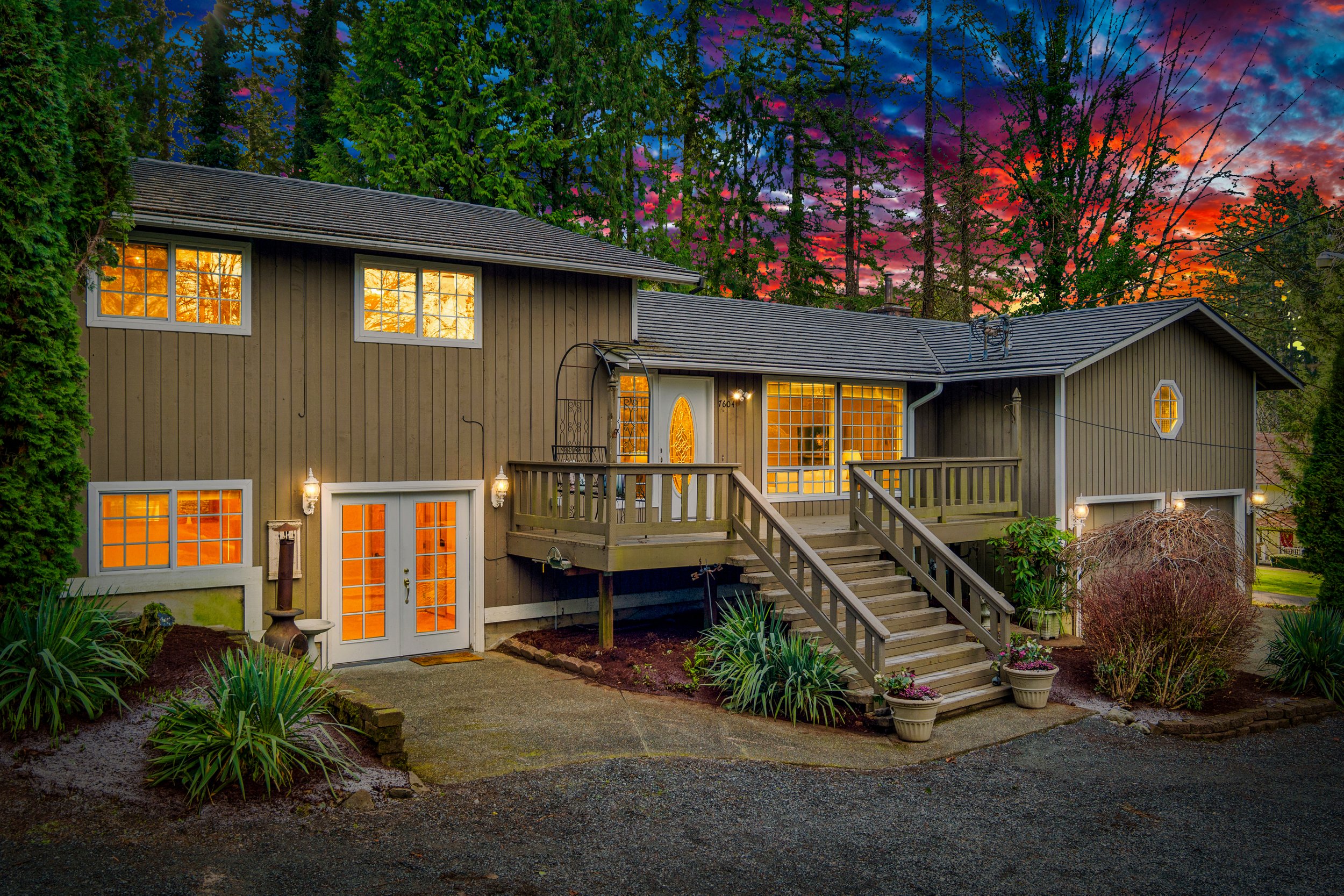
A home isn’t just about the building; it’s about the neighborhood fit. Let’s explore how to assess if a community suits your lifestyle and needs.
School District and Commute Check
Schools and commute times impact property value. Research the local school district. Even if you don’t have kids, good schools increase resale value. Know your commute time. Test it during rush hour. A long commute might make a seemingly perfect home less desirable.
Think about the future too. Will the area develop? Are there plans for new roads or schools? These factors can significantly affect your daily life and property value.
Neighborhood Analysis Greater WA
Understanding the Greater WA neighborhood is crucial. Walk around at different times of the day. Observe the noise levels and traffic patterns. Is the community vibrant or quiet? Consider your lifestyle preferences.
Check local amenities. Are there parks, shops, and restaurants nearby? A well-connected neighborhood enhances your living experience. It can also make your home more attractive to future buyers.
HOA Due Diligence
Homeowners associations (HOAs) can influence your living experience. Review their rules and regulations. Are there restrictions that might impact your lifestyle? Consider the fees. They can add significantly to your monthly expenses.
Talk to current residents. They can provide insights into the HOA’s effectiveness. A well-managed HOA maintains property values and community standards.
Understanding Market and Resale Factors

Grasping market dynamics and resale potential ensures a wise investment. Here are some key insights to consider.
Days on Market Trends Fall
Real estate trends vary with the seasons. In fall, homes tend to stay on the market longer. This can impact your buying strategy. A home that’s been listed for a long time might mean a motivated seller. You might negotiate a better price.
However, investigate why it’s still available. There may be hidden flaws or overpricing. Understanding these trends helps you make informed decisions.
Comparative Market Analysis CMA
A Comparative Market Analysis (CMA) is essential. It compares similar homes in the area. This helps you understand the market value. Are you paying a fair price? A CMA provides clarity.
Work with a local real estate expert. They offer accurate insights based on current data. This ensures you’re making a sound investment.
Resale Value Factors
Resale value is crucial for long-term investment. Consider the home’s condition and location. Proximity to amenities and public transport can boost value. A well-maintained home retains value better over time.
Think about future market trends. Is the area growing? Understanding these factors can lead to a lucrative resale when you’re ready to move on.
Frequently Asked Questions
How can I tell if a roof needs repair?
Look for missing shingles and sagging areas. These are signs of potential problems. Check inside for water stains on ceilings as well.
Why is crawl space ventilation important?
Proper ventilation prevents moisture buildup. This reduces the risk of mold and structural damage, keeping your home safe and healthy.
What impacts a home’s resale value the most?
Location and condition are key. Good schools, proximity to amenities, and a well-maintained property enhance resale potential.
How do I assess a neighborhood’s fit?
Visit at different times of the day. Check noise, traffic, and local amenities. Consider your lifestyle preferences for a perfect match.
Why are days on the market important?
Longer listings might indicate overpricing or issues. Use this information to negotiate better terms or identify potential red flags.

