

Curb appeal can only tell you so much about a home in Greater WA’s fall market. You might feel drawn to a house’s charm, but what about hidden issues like water intrusion or HVAC problems? This guide offers clear, expert-backed fall home buying tips to help you evaluate a house beyond the surface—covering everything from roof inspections to seller disclosures and neighborhood data. Read on to gain a home inspection checklist that brings confidence and clarity to your home search this season. For more insights, visit this link.
Evaluating Home Structure and Systems
When buying a home, the condition of its structure and major systems is crucial. Let’s explore what you should focus on.
Inspecting Roof and Gutters
A solid roof is a must-have. Begin with a visual check for missing shingles or signs of wear. Ensure gutters are clear and firmly attached. This helps prevent water damage. Inquire about the roof’s age. A roof over 20 years might need replacing soon, which is a significant cost.
If you’re not comfortable inspecting yourself, hire a professional. They can provide a detailed report. Remember, a minor issue now could mean major repairs later. Protect your future investment by prioritizing this step.
Checking HVAC and Windows Efficiency
Temperature control is key to comfort. Check the HVAC system for recent maintenance records. Ask how old the system is. Units over 15 years may need replacement soon, impacting your budget.
Examine windows, too. Are they double-paned and free from drafts? Old or inefficient windows can hike up energy bills. Make sure windows open and close smoothly. Efficient systems save money and increase comfort.
Understanding Water Intrusion and Drainage
Water damage is a costly issue. Look for water stains on ceilings or walls. These can indicate past or present leaks. Check the basement and crawl spaces for moisture or mold.
Ensure the property has proper drainage. Water should flow away from the house, not towards it. This prevents foundation issues. Catching these problems early saves money and stress in the long run.
Navigating Seller Disclosures and Data

Understanding disclosures and local data helps you make informed decisions. Here’s what to focus on.
Decoding Seller Disclosures Form 17 WA
In Washington, sellers complete Form 17. It discloses known issues with the property. Read it thoroughly. Look for notes on repairs or defects. This form is a starting point. It can alert you to potential problems before they become your responsibility.
Ask for clarification on anything unclear. If the seller mentions repairs, request documentation. Knowing a home’s history aids in making confident decisions.
Analyzing Neighborhood Comps Greater WA
Neighborhood comparisons, or comps, are vital. They show the market value of similar homes nearby. Look at recent sales in the area. This gives you a sense of pricing trends.
Understanding comps helps you make competitive offers. It also provides insight into potential resale value. Knowing the market ensures you don’t overpay.
Evaluating HOA CC&Rs
If the home is part of an HOA, review the CC&Rs. These rules govern what you can and can’t do with your property. Are there restrictions that don’t fit your lifestyle?
Understand fees and what they cover. Some HOAs offer amenities, which could add value. However, high fees might not suit your budget. Knowing these details prevents surprises later.
Assessing Location and Resale Potential
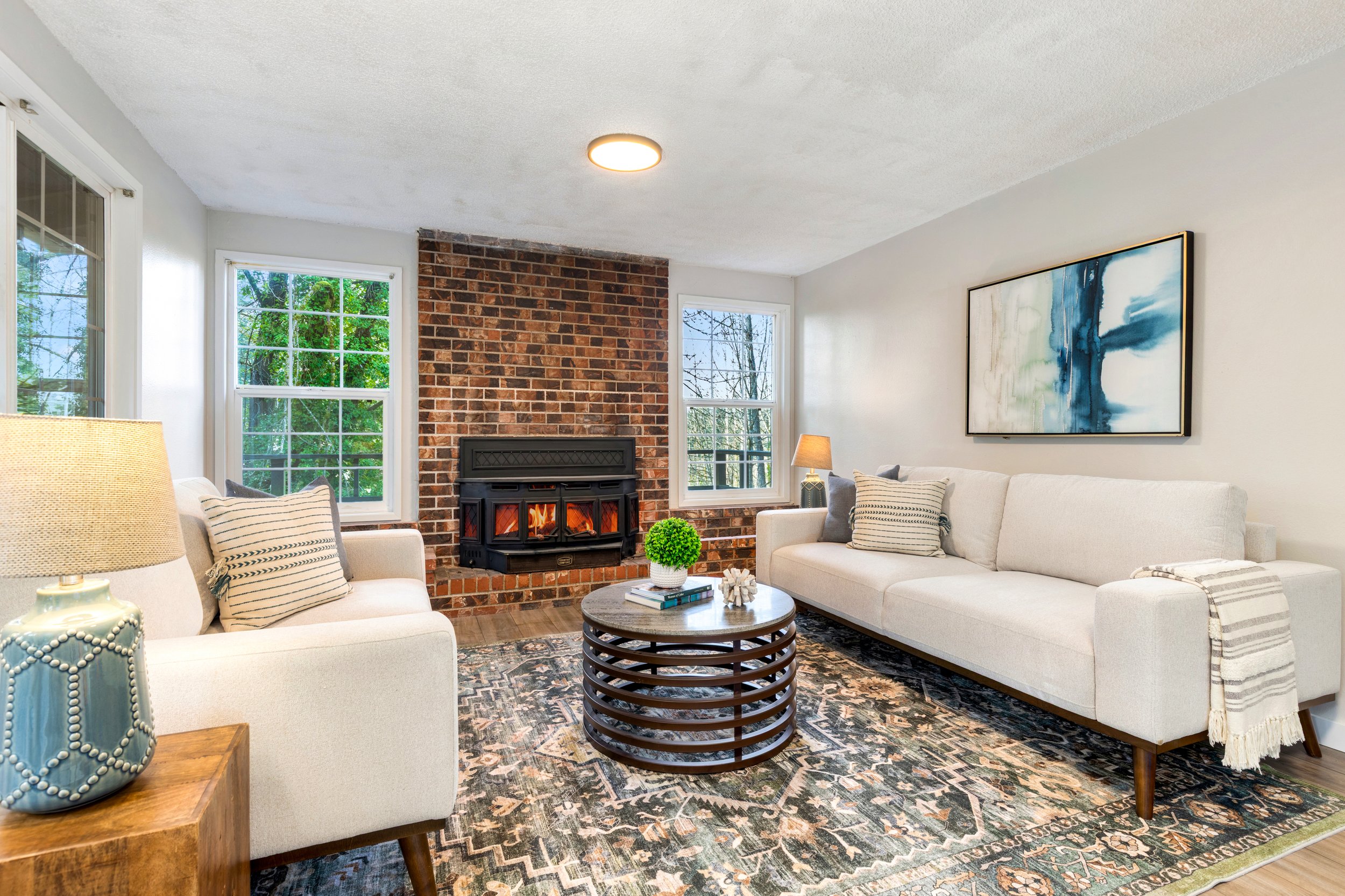
Location impacts daily life and future value. Consider these factors carefully.
Walkability and Commute Analysis
A home’s location affects convenience. Check the walkability score. Are shops and schools nearby? A high score means daily errands are easier.
Consider your commute. How long will it take to get to work? Proximity to major roads or public transport is a plus. A convenient location enhances your quality of life and resale potential.
Predicting Resale Value Strategies
Buying a home is an investment. Consider its future value. Look for neighborhoods with growth potential. Areas with new developments or rising demand are promising.
Consult with real estate experts. They can provide insights into market trends. An informed purchase today secures future gains.
Exploring First-Time Homebuyer WA Opportunities
First-time buyers in WA have options. Look for programs offering financial assistance or lower interest rates. These can make buying more affordable.
Research available incentives. They vary by location and buyer situation. Every bit of assistance helps in easing the buying process.
Frequently Asked Questions
What should I look for in a home inspection checklist?
Key areas include the roof, HVAC system, windows, water intrusion, and drainage. Each aspect impacts the home’s longevity and your comfort.
How do I understand seller disclosures in WA?
Review Form 17 carefully. It outlines known issues. Clarify anything unclear and request records for any mentioned repairs.
What factors affect a home’s resale value?
Location, market trends, and neighborhood growth potential. Consulting with real estate experts can provide deeper insights into these factors.
Why is neighborhood analysis important when buying a home?
It helps determine the property’s market value and future resale potential. It also impacts daily living through convenience and community features.
Are there special programs for first-time homebuyers in WA?
Yes, various programs offer financial support and incentives. They can make buying more accessible and affordable for new buyers.

