

Buying a home in Greater WA means more than just choosing a house that looks good from the street. You need to understand how a property fits into your daily life—commute times, natural light, noise levels, storage space, and neighborhood flow all matter. This home buying guide Washington offers a clear daily livability checklist so you avoid surprises and make confident choices. Keep reading to learn what really makes a house feel like home.
Understanding Daily Livability
When buying a home, appearance is just the beginning. True livability involves considering how a home supports your daily routine.
Key Factors Beyond Curb Appeal
Beyond looks, consider how a home supports your lifestyle. Think about how easy it is to get in and out, whether the spaces feel welcoming, and if the layout meets your needs. Are there enough rooms for your family and activities? Do the spaces flow comfortably from one to another? These elements matter more than a pretty front yard.
Evaluating Light and Noise Levels
Homes with good natural light can lift your mood. Visit the property at different times to see how sunlight enters each room. Consider the noise, too. Are there busy streets nearby or noisy neighbors? Stand in different rooms to listen for outdoor noise, ensuring the home offers the peace you desire.
Importance of Commute Times
Your daily commute plays a big role in your quality of life. Calculate the time from the home to work, school, or other frequently visited places. Use tools like maps or travel apps to estimate these times during rush hours, making sure the location won’t add unnecessary stress to your day.
Home Tour Essentials

Now that you understand livability, it’s time to create a checklist for touring homes. This will ensure you notice all the important details.
Creating a Livability Checklist
A livability checklist helps you focus. Include items like room sizes, number of bathrooms, and kitchen layout. Note storage options, such as closets and garage space. Does the home have features you want, like a fireplace or deck? This checklist will guide your tour and help you remember each home’s details.
Checking Systems and Storage
Inspect the home’s systems—the heating, cooling, plumbing, and electrical. Inquire about their age and condition. Check for ample storage: cabinets, closets, and basement or attic space. Homes with plenty of storage keep your living areas organized and clutter-free.
Neighborhood Flow and Amenities
Look at the neighborhood’s flow. Are the streets safe and inviting? Consider amenities like parks, schools, and shopping centers. A neighborhood with everything you need nearby enhances your living experience. Ask about public transportation options if that’s part of your routine.
Expert Guidance and Support
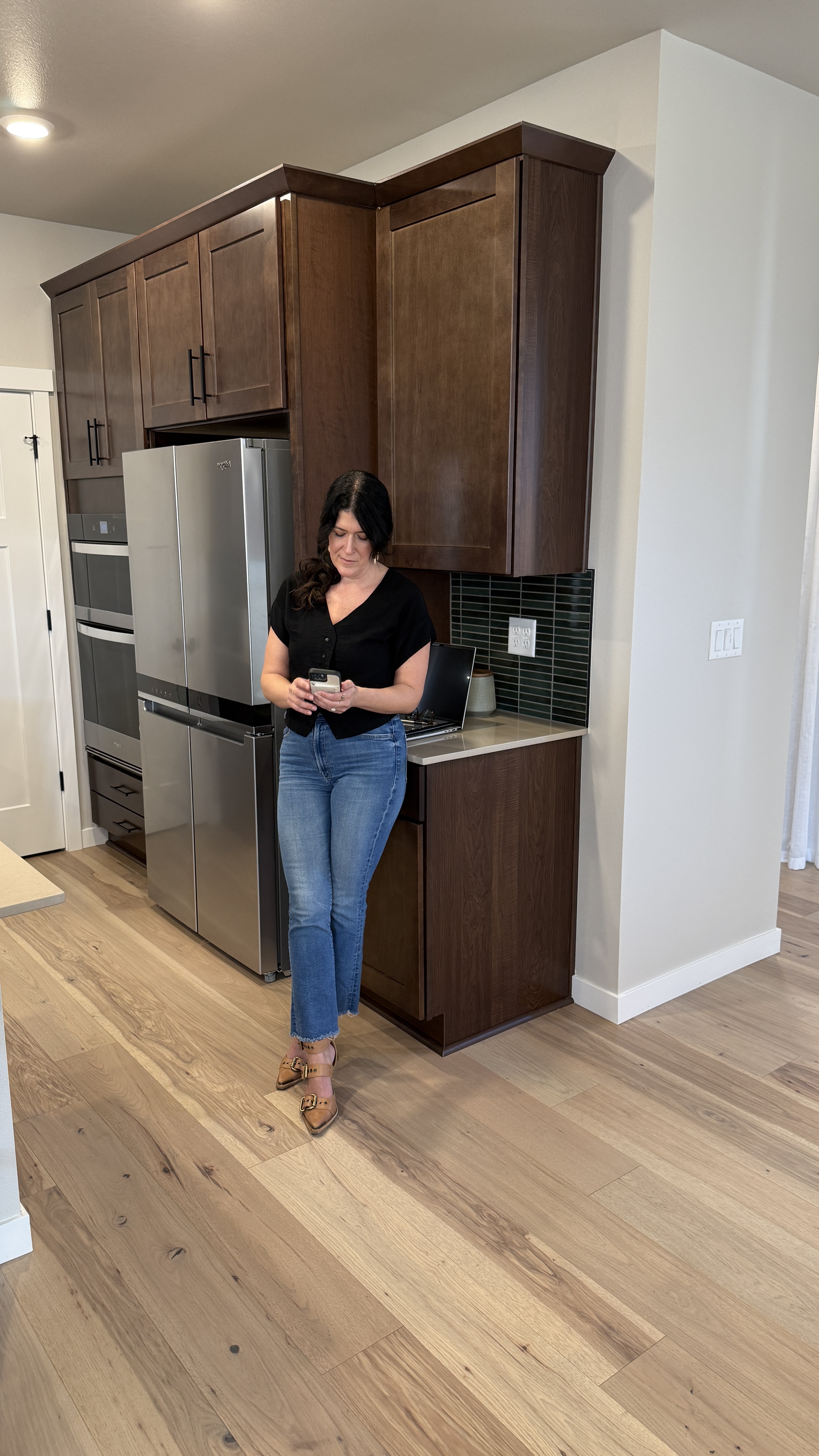
Buying a home is smoother with expert help. Amy Wagner Bounds offers her extensive experience to guide you.
Schedule a Consultation with Amy
Amy provides personalized consultations tailored to your needs. With her local expertise, she can help you understand potential homes better. Whether it’s your first time buying or you’re looking for investment properties, scheduling a session with Amy can clarify your path.
Benefits of a Livability Walkthrough
A livability walkthrough with Amy highlights aspects you might overlook, like natural light and noise levels. It focuses on how the home works for your day-to-day life. This walkthrough ensures you make a decision based on practical living conditions, not just appearances.
Prime Listings Group Services
The Prime Listings Group offers comprehensive services. From helping you tour new listings to providing market insights, they ensure you are equipped with the right information. Their focus on client satisfaction sets them apart, ensuring you find a home that truly fits your lifestyle.
Frequently Asked Questions
What should I include in a home tour checklist?
Include room sizes, storage spaces, and system conditions. Note important features and amenities like fireplaces, decks, and nearby parks or schools.
How can I evaluate noise levels in a home?
Visit the home during different times of the day. Stand in various rooms to listen for outdoor noise. Consider proximity to busy roads or noisy areas.
Why is a livability walkthrough important?
A livability walkthrough focuses on how the home fits your routine. It highlights key elements like light, noise, and neighborhood flow, ensuring you make a well-rounded decision.


