
Most buyers get stuck at curb appeal and miss what really matters inside and beneath the surface. This fall, Greater WA real estate demands a sharper eye to spot hidden issues that could cost thousands down the road. You’ll learn how to assess roof and gutter conditions, check crawl space moisture, and interpret permit history—all crucial steps for confident buying. Stick with us and get the tools to look deeper than the front yard this season. Learn more about evaluating a home the smart way.
Evaluating Home Structure and Systems
Your home’s structure and systems are its backbone. Knowing what to look for saves you time and money.
Importance of Roof and Gutter Inspection
Your roof is your first line of defense against the elements. Look at shingles: are they curling or missing? These small signs can indicate bigger issues like leaks or weak spots. Gutters matter too. If they’re clogged, water can damage your home’s foundation. A professional inspection can uncover hidden problems. Here’s how staging can enhance first impressions, but remember, a solid roof means a secure investment.
HVAC Efficiency and Maintenance
Heating and cooling systems keep your home comfortable. Check the furnace and air conditioner for age and condition. Systems over 15 years old might need replacing soon. Regular maintenance logs show a well-cared-for system. Changing filters and inspecting ducts can prevent costly repairs. This ensures your home stays cozy and efficient year-round. Learn more about fitting a home to your life beyond first impressions.
Plumbing and Electrical Considerations
Plumbing and electrical issues can be costly. Look under sinks for leaks or water stains, signs of potential pipe problems. Flickering lights or frequent breaker trips might signal electrical issues. Have a professional check the wiring and outlets. This can prevent dangerous situations. A well-functioning system means peace of mind and safety.
Assessing Home and Property Condition

Beyond the walls, the overall condition of your home and property matters. It affects your comfort and future costs.
Window and Siding Assessment
Windows and siding protect from weather and noise. Check for cracks or drafts around windows, which could mean higher energy bills. Inspect siding for rot, mold, or warping. These can lead to bigger structural problems if ignored. Well-maintained windows and siding improve energy efficiency and curb appeal.
Crawl Space Moisture Concerns
Moisture in crawl spaces can lead to mold and rot. Look for dampness or musty smells. This might mean a drainage issue or poor ventilation. Installing a vapor barrier or dehumidifier can help. Addressing crawl space moisture protects your home’s structure and air quality.
Drainage and Grading Challenges
Proper drainage prevents water damage. Walk around the property after a rainstorm. If water pools or flows toward the foundation, it might cause damage. Grading should slope away from the house. Correcting drainage issues early prevents costly repairs later.
Analyzing Environmental and Neighborhood Factors
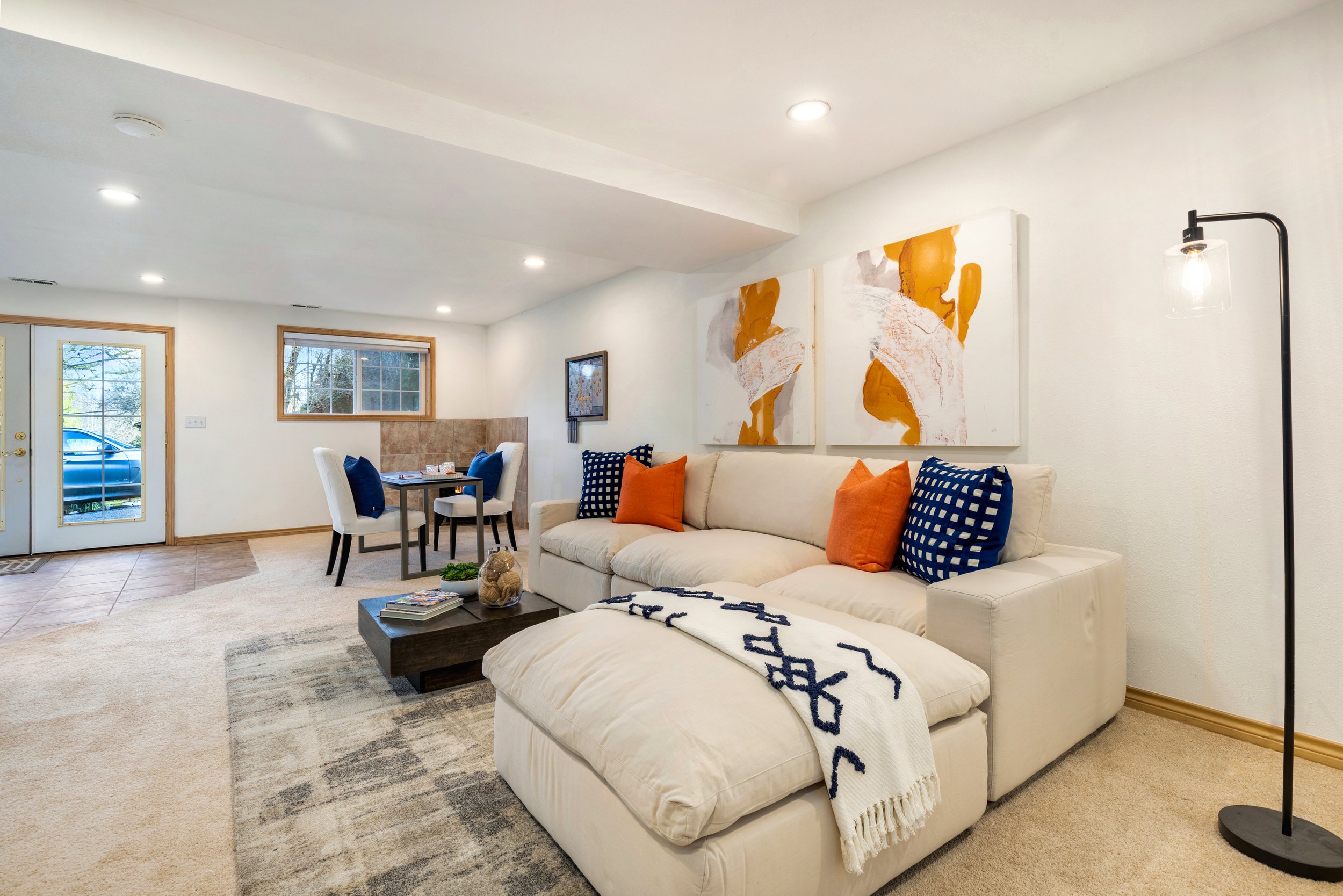
The area around your home impacts safety, comfort, and property value. Know what to check and why it matters.
Flood Zone and Landslide Risks in WA
Living in Washington means being aware of natural risks. Check if your home is in a flood zone or landslide-prone area. This affects insurance costs and safety. This podcast discusses local risk factors. Understanding these risks helps you make informed decisions.
HOA Documents and Permit History Review
Homeowners association rules can affect lifestyle and costs. Review HOA documents for fees and restrictions. Check the permit history for past work on the home. Unpermitted work can lead to fines or safety issues. Knowing the history helps you avoid surprises.
Neighborhood Due Diligence and Local Amenities
The right neighborhood enhances your living experience. Visit at different times to gauge noise and activity levels. Research schools, parks, and shopping nearby. A neighborhood that fits your lifestyle increases your home’s enjoyment and value.
Frequently Asked Questions
What should I look for in a roof inspection?
Look for missing or curled shingles, clogged gutters, and water stains inside the attic. These signs indicate potential roof problems.
How do I know if a home has good drainage?
Check for water pooling near the foundation after rain. Proper grading should slope water away from the home to prevent damage.
What are common signs of plumbing issues?
Leaking pipes, water stains under sinks, or low water pressure can indicate plumbing problems. Have a professional inspection for a thorough evaluation.
Why is the neighborhood important in home buying?
The neighborhood affects daily life and property value. Consider noise levels, nearby amenities, and community feel when choosing a location.
How can I check if a home is in a flood zone?
Use local government websites or consult with your real estate agent to determine if a property is in a flood zone, impacting insurance and safety.


