

Comparing homes this summer in Greater WA without the right prep can leave you overwhelmed and second-guessing. You need more than just listings—you need a clear plan that covers financing, true monthly costs, and local market quirks. In this guide, you’ll find first-time homebuyer tips to help you tour, compare, and make offers with confidence, all backed by Prime Listings Group’s 22 years of local expertise.
Preparing for Home Shopping
Starting your home shopping journey can be both thrilling and daunting. The right preparation will empower you to make informed choices and feel confident throughout the process.
Understanding Your Buying Power
Knowing how much home you can afford is the first step. A mortgage pre-approval in Washington provides a clear picture of your buying capacity. It shows sellers you’re serious, giving you a competitive edge. Your credit score, income, and current debts influence your loan eligibility and interest rate. To get started, gather your financial documents and consult with a trusted mortgage advisor. This step ensures you set realistic expectations and avoid falling in love with homes outside your budget.
Calculating True Monthly Costs
Understanding the full cost of owning a home is crucial. Beyond the mortgage, you’ll face property taxes, insurance, and HOA fees if applicable. Don’t forget utilities and maintenance costs too. Use an online calculator to break down these expenses. Knowing the comprehensive monthly cost helps prevent surprises and ensures your dream home fits your lifestyle.
Exploring Washington Down Payment Assistance
Washington offers various programs to help first-time buyers with down payments. These can make homeownership more accessible if saving is challenging. Research programs tailored for your needs, which could offer grants or low-interest loans. Your credit score and income will determine eligibility for these benefits. By understanding what’s available, you might find your path to homeownership smoother than expected.
Navigating the Greater WA Market
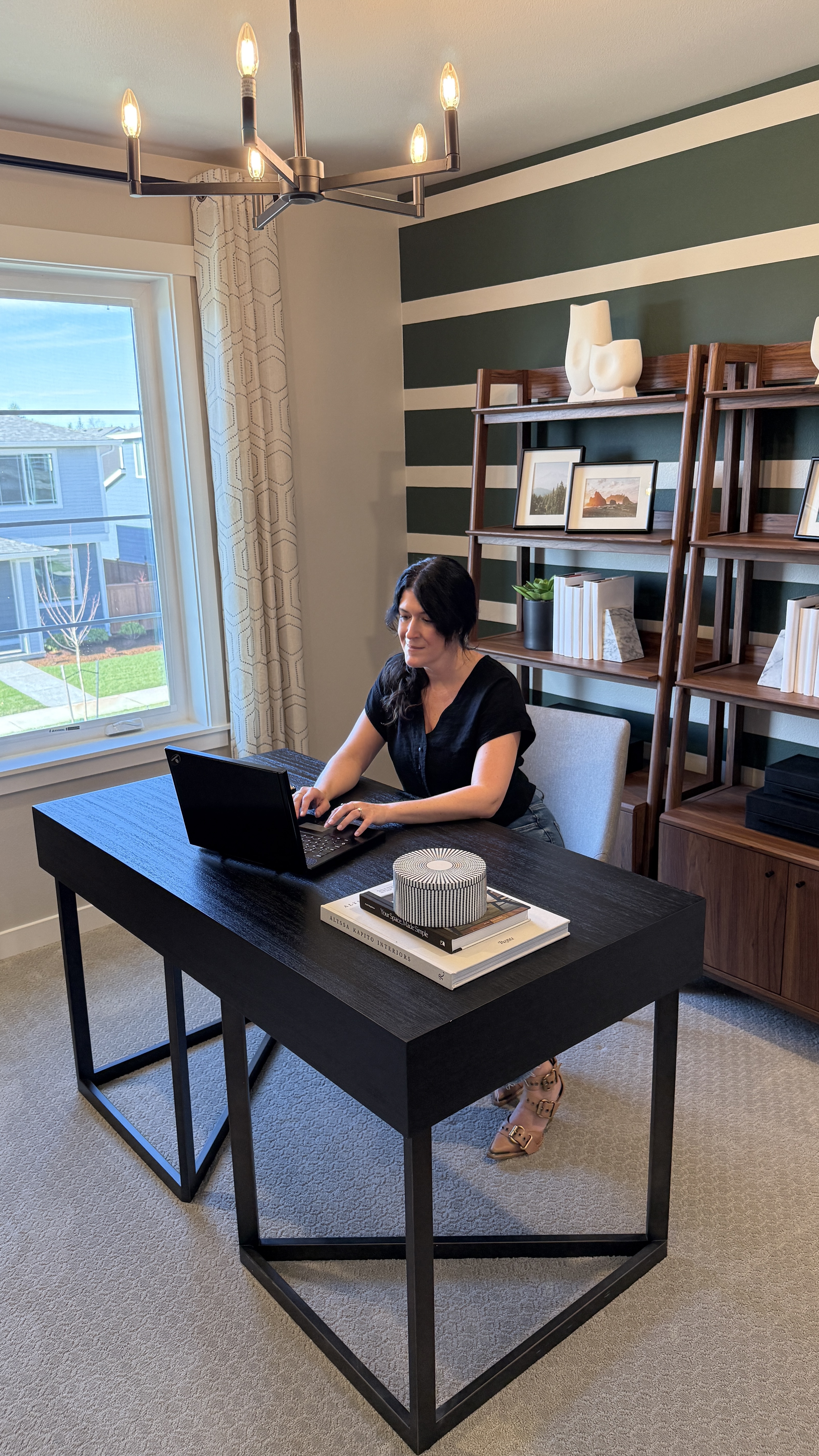
Navigating the Greater WA real estate market involves understanding local quirks and making strategic decisions. Knowing these details will help you find the right home in the right area.
Neighborhood Micro-Market Insights
Each neighborhood in Greater WA has unique characteristics. Dive into micro-market trends to identify price fluctuations and demand. This insight helps in choosing the right area for your lifestyle and investment goals. Consider factors like school districts, commute times, and future developments. By focusing on these details, you position yourself to select a neighborhood that aligns with your long-term aspirations.
Condo vs Townhouse Considerations
Deciding between a condo and a townhouse involves understanding lifestyle preferences and financial implications. Condos often come with amenities and less maintenance, while townhouses offer more space and privacy. Evaluate HOA fees, which can vary greatly, affecting your budget. Consider how each option fits your future plans, whether it’s starting a family or maintaining a simple lifestyle. By assessing these factors, you’ll make a choice that suits your current and future needs.
Crafting a Competitive Offer Strategy
In a competitive market, your offer needs to stand out. Start by understanding the seller’s priorities, which could include a quick close or fewer contingencies. Present a strong earnest money deposit to show commitment. Work with your agent to tailor an offer that balances competitiveness with your budget. The goal is to make your offer irresistible while protecting your interests. This approach increases your chances of securing your desired home.
Touring and Closing Tactics
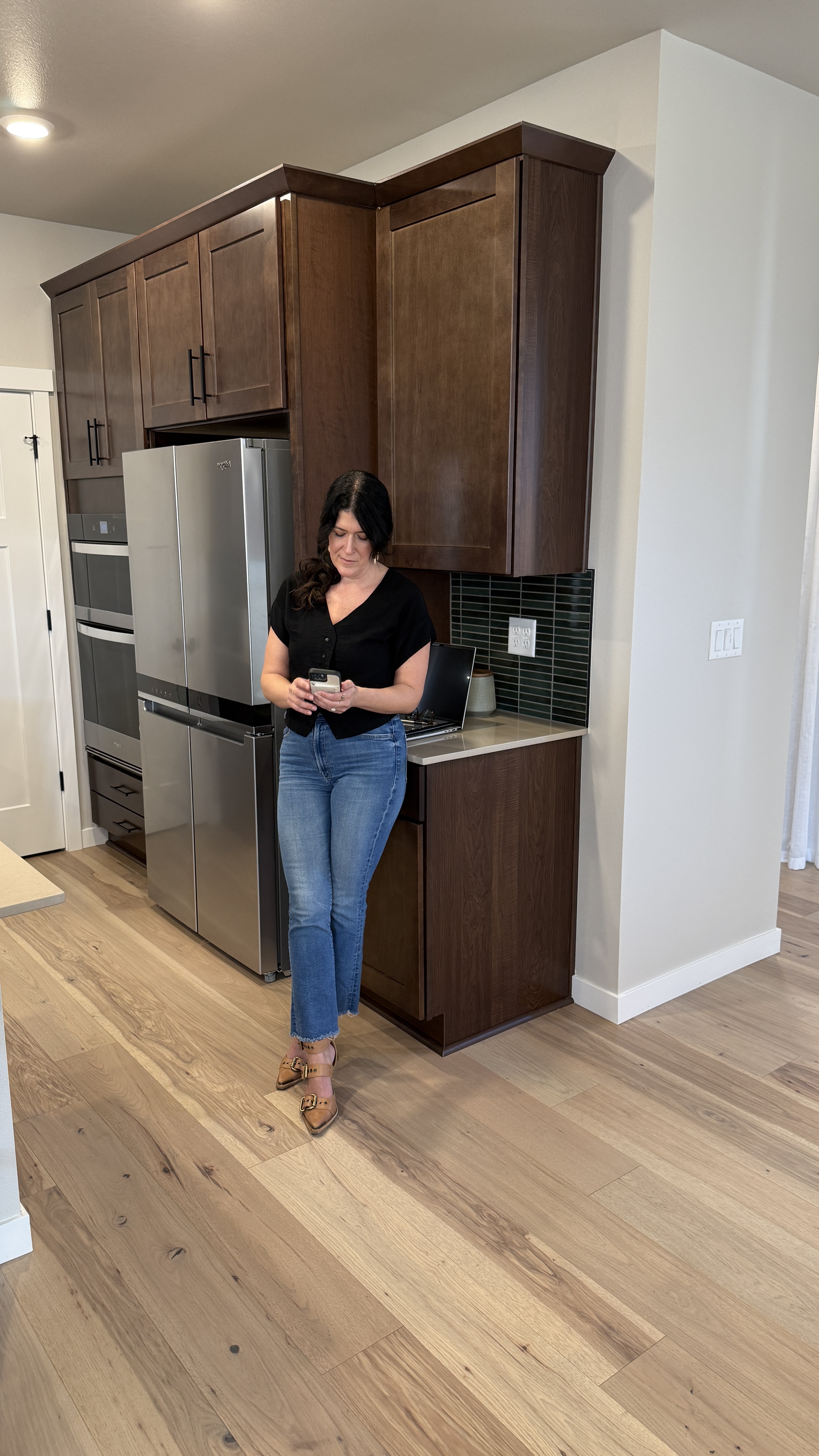
Once you’ve identified potential homes, effective touring and closing strategies will guide you to a successful purchase.
Effective Home Tour Strategies
Approach home tours with a critical eye. Note the home’s condition, layout, and any potential red flags. Prioritize properties that meet your key criteria, like location and size. Take notes and photos to compare later, ensuring no detail is overlooked. Use this information to narrow down your choices and make informed decisions.
Understanding Inspection Contingency
An inspection contingency protects you by allowing an independent evaluation of the property. It identifies potential issues that could affect your living situation or require costly repairs. If the inspection reveals significant problems, you can negotiate repairs or credits with the seller. This step ensures you’re fully aware of what you’re purchasing and can proceed with confidence.
Clarifying Closing Costs in Washington State
Closing costs in Washington can add up, so it’s important to know what to expect. These include lender fees, title insurance, and taxes. Typically, buyers pay 2-5% of the home’s price in closing costs. Prepare for this final step by saving accordingly and discussing potential expenses with your lender. Understanding these costs upfront prevents last-minute surprises and ensures a smooth closing process.
Frequently Asked Questions
What is the first step for a first-time homebuyer in Greater WA?
Begin with a mortgage pre-approval to understand your buying power. This process involves assessing your financial situation, which sets realistic expectations and strengthens your offer.
What costs should I expect beyond the mortgage?
In addition to your mortgage, budget for property taxes, insurance, HOA fees, and maintenance. Use online tools to calculate your comprehensive monthly expenses.
Are there assistance programs for first-time buyers in Washington?
Yes, Washington offers various down payment assistance programs. These programs can provide grants or low-interest loans, making homeownership more accessible for first-time buyers.
How do I choose between a condo and a townhouse?
Consider your lifestyle and financial goals. Condos usually offer amenities and less maintenance, while townhouses provide more space and privacy. Evaluate HOA fees and long-term plans to make an informed decision.
What are typical closing costs in Washington State?
Closing costs typically range from 2-5% of the home’s price. They include lender fees, title insurance, and taxes. Discuss these costs with your lender to ensure you’re financially prepared.


